If anyone smells the distinctive odor of natural gas (sulfur or rotten eggs) or suspects an active gas leak:
- Evacuate all building occupants immediately into fresh outdoor air.
- Do not operate light switches, doorbells, appliances, landline phones, or cell phones inside the building.
- Do not light matches, smoke, or create any open flame or spark.
- Call 911 or your local gas utility emergency response hotline immediately from a safe outdoor location.
- Never attempt to investigate, isolate, or perform DIY repairs on leaking gas equipment.
Precision Gas Piping Services in Northwest Queens
Natural gas powers the boilers, furnaces, water heaters, and kitchen ranges of almost every property in Ditmars-Steinway. Due to the combustibility and volatility of natural gas, fuel distribution systems are governed by the strictest municipal plumbing codes in the nation. When property owners require gas line repair Ditmars-Steinway Queens, the work must be executed with absolute technical precision, using approved Schedule 40 black steel pipe, malleable iron threaded fittings, and certified gas shutoff ball valves.
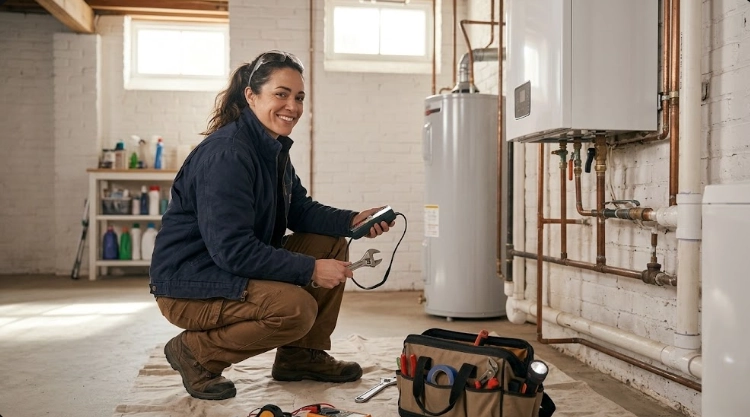
Common Gas Piping Concerns in Aging Buildings
Vintage residential properties across Ditmars, Steinway, and Astoria Heights feature gas piping networks installed many decades ago. Over time, several conditions can compromise system integrity:
- Atmospheric Corrosion in Basements: Exposed gas risers running through damp cellars or adjacent to foundation walls can experience severe external rust and wall thinning.
- Deteriorated Pipe Dope & Joint Sealants: Historical pipe thread compounds can dry out, powder, and crack after fifty years, causing micro-leaks at threaded elbows and couplings.
- Physical Impact Damage: Basements used for storage or tenant laundry frequently see gas lines jostled, stressed, or unseated from pipe hangers.
- Illegal or Unpermitted Modifications: Previous handyman alterations utilizing unapproved flex connectors, improper shutoff valves, or copper lines can trigger immediate utility shutoffs during inspections.
Appliance Connections & Kitchen Range Installations
Installing a new gas stove, cooktop, or dryer requires more than just screwing on a flex hose. New York City code mandates that each appliance have an accessible, approved quarter-turn shutoff valve located in the same room, connected via an AGA-certified flexible stainless-steel connector of legal length (typically not exceeding six feet). When connecting appliances to central heating plants, our team coordinates directly with boiler repair in Ditmars-Steinway and water heater repair technicians to ensure proper fuel line sizing and manifold pressure.
Need Gas Line Testing or Appliance Connections?
Speak directly with a licensed plumbing professional to discuss code-compliant gas piping services in Queens.
NYC Local Law 152 Periodic Gas Piping Inspections
Passed by the City of New York to enhance building safety, Local Law 152 of 2016 mandates that all buildings with exposed gas piping—except those classified in occupancy group R-3 (one- and two-family homes)—must have their gas piping systems inspected at least once every four years based on their Community District inspection schedule.
For multi-family apartment buildings, mixed-use commercial storefronts, and co-ops throughout Ditmars-Steinway (Queens Community District 1):
- Who May Inspect: Inspections must be performed by or under the direct supervision of an experienced NYC Licensed Master Plumber.
- Scope of Inspection: Visual inspection of all exposed gas lines from the point of building entry to tenant spaces, including public corridors, basements, boiler rooms, and mechanical spaces, checking for leaks, illegal connections, corrosion, and missing pipe hangers.
- Reporting Deadlines: Within 30 days of inspection, the inspection report (GPS1) must be submitted to the building owner, and a certification (GPS2) must be submitted electronically to the NYC Department of Buildings (DOB).
Diagnostic Testing: Sniffers and Manometer Pressure Tests
When locating minor gas leaks or certifying restored piping after a utility shutoff, technicians utilize non-destructive diagnostic tools:
- Calibrated Combustible Gas Sniffers: Highly sensitive electronic sensors that detect parts-per-million (PPM) concentrations of methane gas along pipe seams and valves.
- Non-Corrosive Liquid Bubble Solutions: Applied to threaded fittings to produce persistent micro-bubbles wherever gas escapes under line pressure.
- High-Resolution Digital Manometer Tests: During formal DOB test filings, gas meters are removed, the line is locked out, pressurized with air to code requirements (typically 3 PSI for low-pressure systems), and monitored for zero pressure drop over the required test duration.
Frequently Asked Questions About Gas Line Repair
When the gas utility detects a leak or code deficiency, they will padlock the meter or service valve. Restoring gas service requires hiring a NYC Licensed Master Plumber to file appropriate DOB work permits, repair or replace defective piping sections, perform an official pressure test witnessed by inspectors, and submit certification before the utility unlocks the gas service.
The NYC Fuel Gas Code prohibits the widespread use of flexible CSST tubing in many residential applications where rigid Schedule 40 black iron pipe is required. Rigid steel pipe resists physical punctures from nails, screws, and structural shifting far better than thin-walled flexible lines.
Yes, buildings classified in occupancy group R-3 (one- and two-family homes) are exempt from the mandatory four-year cycle of Local Law 152. However, any plumbing or gas repair work performed in these homes must still comply fully with NYC Building Codes and be completed by licensed professionals.
Consult With a Qualified Queens Plumbing Professional
Schedule non-emergency gas line assessments, appliance hookups, or Local Law 152 inspections across Ditmars-Steinway.